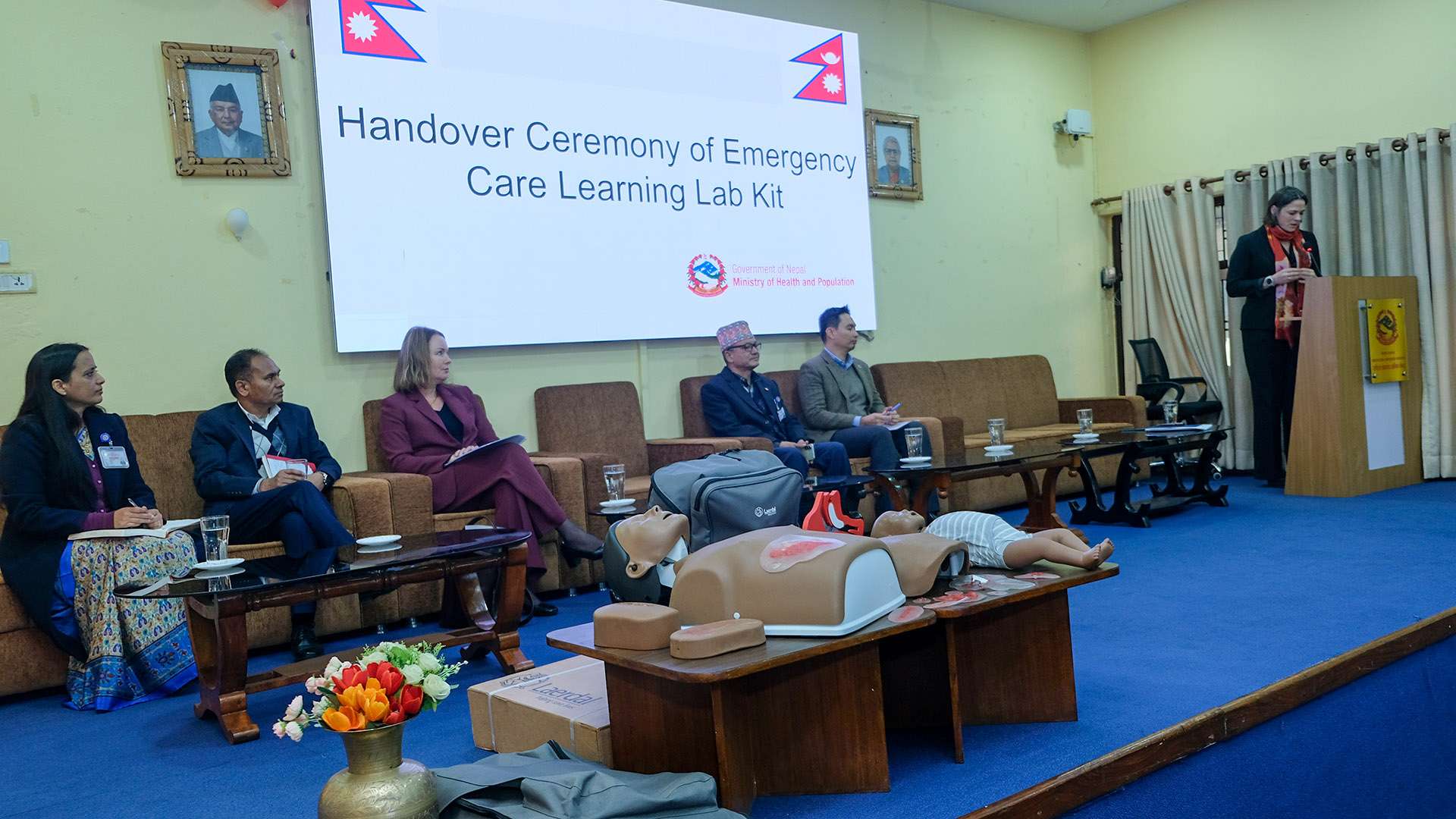
Building a Scalable Emergency Care Training System in Nepal
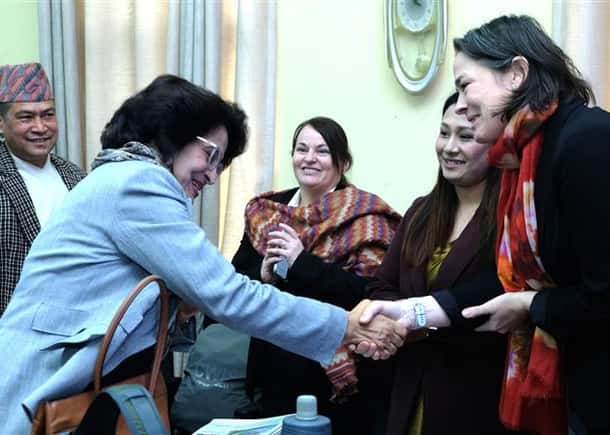
In remote areas in Nepal, the lack of efficient training tools for healthcare workers is a major challenge for access to capacity building in effective emergency response. Improving Basic Emergency Care (BEC) training has become a top priority for the government.
To enhance emergency care training across Nepal, Laerdal Global Health has provided the Health Emergency Operations Center (HEOC) with 9 Emergency Care Learning Lab (ECLL) kits and 2 Advanced Life Support infant manikins. These tools provide a hands-on experience to enable healthcare workers to practice lifesaving skills in a realistic and supportive environment.
“The challenges of Nepal’s geography and disaster risks require healthcare workers to be equipped with the best emergency care training available,” said Dr. Prakash Budhathoky, Chief of HEOC. “These kits will enable us to provide high-quality, hands-on training, reaching even the most remote regions of the country, and ensuring that our healthcare workers are well-prepared for critical situations.”
The kits will be distributed to the National Health Training Center (NHTC), Health Emergency Operations Center (HEOC), and each of the provincial health training centers to strengthen BEC training.
First used during a pilot test of Nepal’s national BEC training package, the ECLL kit enabled healthcare workers to practice lifesaving skills, including airway management, needle decompression, and wound care.
“The pilot testing using the Emergency Care Learning Lab kits was a tremendous success,” Dr. Budhathoky said. “The feedback from healthcare professionals was overwhelmingly positive. They found the kits to be an invaluable resource, allowing them to practice skills they could apply immediately during emergency situations.”
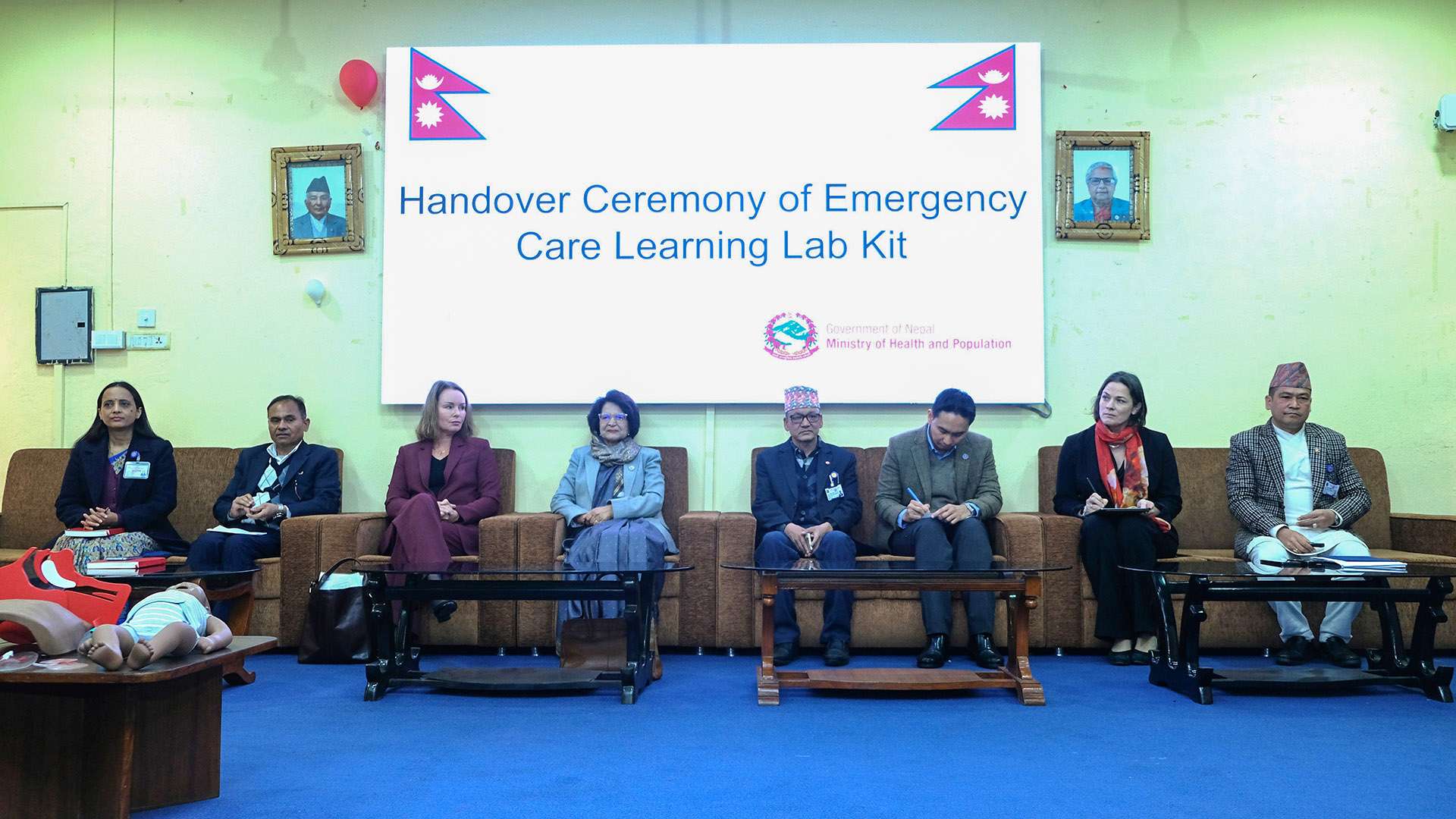
Nepal has made considerable progress in implementing Basic Emergency Care under the leadership of the MoHP, HEOC, NHTC, and PHTCs, with support from global partners such as WHO and FHI-360. Laerdal Global Health’s ECLL kits play a pivotal role in expanding and improving the accessibility of BEC training nationwide.
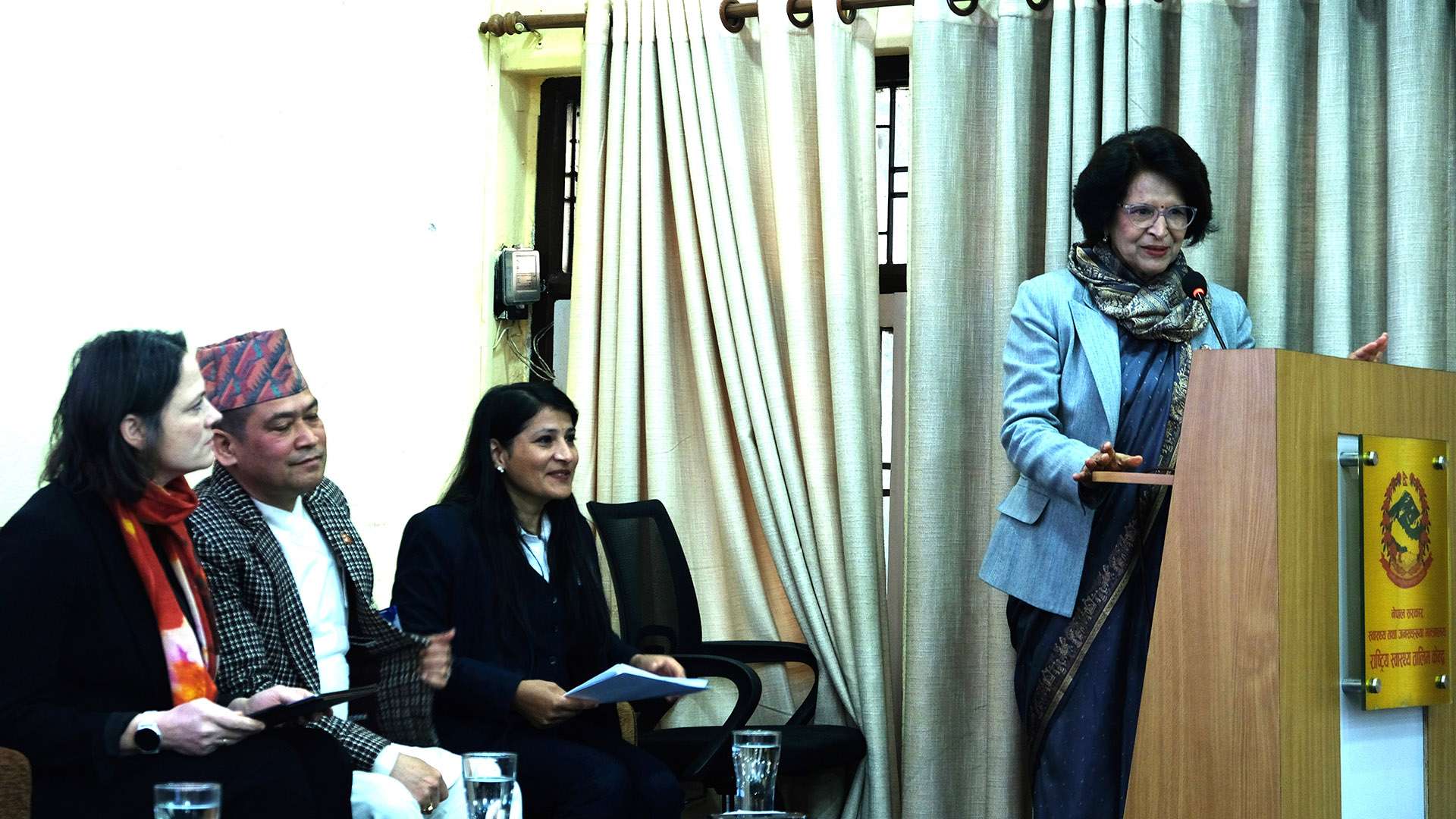
BEC is a priority program for Nepal. By partnering with organizations like Laerdal Global Health, we are taking critical steps to ensure our healthcare workers are prepared to respond effectively in critical situations.
The government of Nepal aims to strengthen the Basic Emergency Care program through the use of the Emergency Care Learning Lab. The kits allow healthcare workers to practice critical emergency care skills locally. The initiative is part of a broader effort to build a robust, sustainable emergency care framework that equips frontline health workers with practical skills to respond effectively to emergencies in their communities.
“Nepal has shown strong leadership in prioritizing emergency care,” said Country Manager Unisha Shrestha. “The ECLL kits will play a crucial role in supporting the government's vision of taking BEC to health facilities by providing a flexible and effective way to build critical skills, even in the most resource-constrained settings like Nepal.”
The importance of sustained, hands-on training was underscored by the Hon’ble Minister of Health and Population, Professor Dr. Sudha Sharma, who emphasized the need for ongoing practice. “It is important that training is not a one-off event and has regular drills,” she said, adding that the kits would “support strengthening hands-on skills of the healthcare providers to handle emergency response.”
International partners also highlighted the initiative as a model for effective collaboration. H.E. Norwegian Ambassador to Nepal Ms. Dagny Mjøs highlighted the role of private-sector engagement in strengthening health systems. “Laerdal has been playing a strong role in developing human and institutional capacity – and in mobilizing resources and forming partnerships,” she said. “This is a role model for how the private sector can contribute.”
Together, the expansion of cost-effective, practical training tools, government leadership, and international partnership is an example of a coordinated effort that will ensure emergency care training in Nepal is accessible, continuous, and sustainable over time.
Through our partnerships with governments, we are committed to strengthening emergency care systems by providing solutions that enable providers and ensure that lifesaving innovations reach those who need them most.